Centred on the gospel
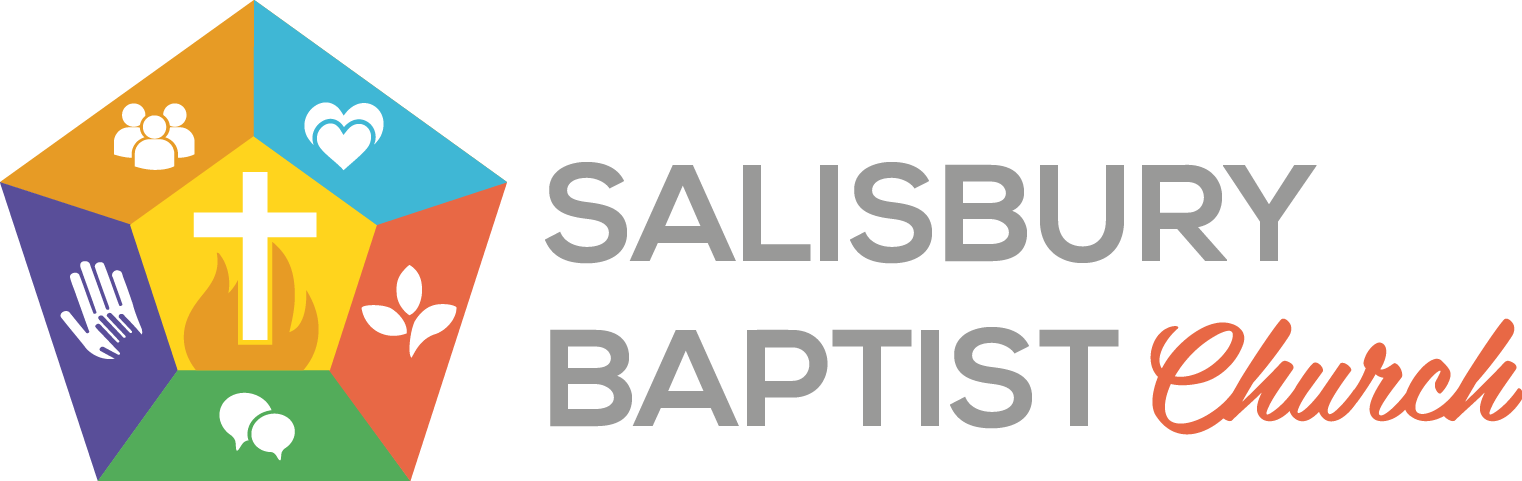
The cross and flame sit at the centre of our logo because the gospel is at the heart of our life together. The cross represents Christ’s sacrificial death for our sins and reminds us that forgiveness and reconciliation with God are His gifts of grace. Jesus rose again, bringing new life and a living hope. The flame represents the Holy Spirit, who gives new birth, lives within believers, and empowers us to follow Christ. Every outer piece of the jigsaw is connected to this centre: our worship, growth, witness, service, and fellowship flow from what God has done for us.
- We trust in Jesus Christ, who died for our sins and rose again (1 Corinthians 15:3–4).
- We receive salvation by God’s grace through faith, rather than earning it through our works (Ephesians 2:8–9).
- We depend on the Holy Spirit for new birth and renewal (Titus 3:5–6).
- We rely on the Spirit’s power to live for Christ and bear witness to Him (Galatians 5:22–25; Acts 1:8).
Responding in worship
Worship is represented by two hearts, one encompassing the other. This shows our hearts responding to God’s love for us, the essence of worship. The hearts also remind us that worship may include love, joy, awe, sorrow for sin, reverence, petition, anticipation, and many more feelings. Whole worship is not only in the heart, but also in soul, body, and mind.
- We live in daily worship of God, offering ourselves as living sacrifices (Romans 12:1).
- We worship with gratitude, recognising that we love because He first loved us (1 John 4:19).
- We worship God with creativity, spirituality, emotions, and physical acts (Luke 10:27).
- We join for corporate celebration on Sundays (Acts 20:7; Hebrews 10:24–25).
Growing in discipleship
Discipleship is shown as a growing plant, a process of growth in many forms. As a plant needs sun, water, and nutritious soil, we need discipleship input—the application of the gospel—from teaching, personal study, mentoring, and other sources. We value both formal and informal opportunities to grow, with special emphasis on teaching in our Sunday services.
- We submit to the teaching of God’s Word through preaching, home groups, and discipling (Acts 20:27).
- We sharpen and exhort one another in faith (Proverbs 27:17).
- We grow in Christlikeness as the Holy Spirit changes us from within (1 Peter 1:15–16).
- We follow Christ’s example by practising our faith in the world (James 1:22).
Going in mission
Evangelism is any method of communicating the gospel. Speech bubbles represent communication, and two bubbles remind us that there is no single prescribed method: Christians share as the Spirit leads. Though some believers are gifted for evangelistic ministry, we all have a voice and a testimony to speak to those who do not believe. Mission takes the gospel beyond our known personal spheres to people of other societies.
- We willingly communicate the gospel in our community, nation, and world (Acts 1:8).
- We eagerly share testimony of God’s work in our lives (John 4:28–29).
- We trust the Holy Spirit to do the work of salvation (John 16:8).
Serving in ministry
The open hands in the ministry icon suggest service and care for others. Any act of service or compassion, large or small, motivated by the grace of the gospel is ministry. Every church member can be a minister, whether or not they serve in paid work.
- We actively serve the needs of others (Philippians 2:4).
- We use the spiritual gifts God has given us to serve Christ and His church (1 Corinthians 12:4–6).
- We work together in the unity of the body (1 Corinthians 12:27).
Enjoying fellowship
The fellowship icon shows three people together. Their similar appearance represents how Christians in fellowship share the common bond of the gospel. We seek a sense of family that goes beyond friendship and sociability, helping one another connect on a spiritual level.
- We meet regularly with fellow believers (Hebrews 10:24–25).
- We are a community of openness and trust, united in purpose (Philippians 2:1–2).
- We love and encourage one another (1 Thessalonians 5:11).
- We view each other as family (Ephesians 2:19; 1 Timothy 5:1–2).